
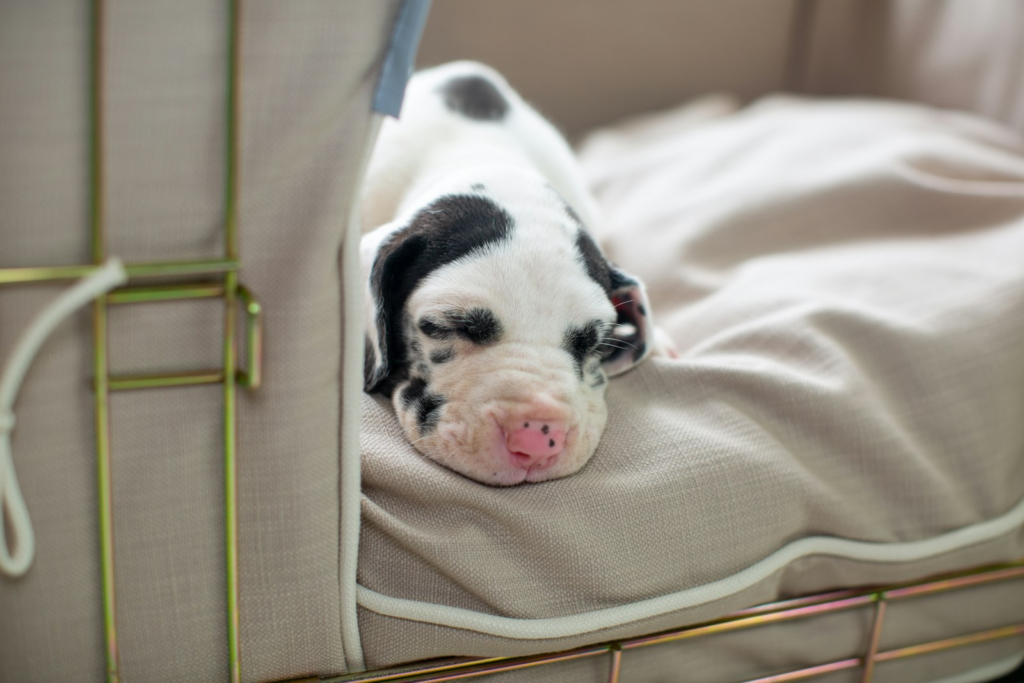
 crate training puppy crying: 5 Essential Tips That Will Transform Your Experience
When it comes to crate training puppy crying, many pet owners face challenges that can lead to frustration. Understanding the reasons behind your puppy’s cries and knowing how to address them effectively is crucial for a smooth training process. In this article, we will explore essential tips to help you manage and reduce your puppy’s crying during crate training.
Understanding the Reasons for Crate Training Puppy Crying
Before diving into solutions, it’s important to understand why your puppy may be crying in their crate. Here are some common reasons:
- Anxiety: Puppies are naturally social animals and may feel anxious when left alone.
- Need for Bathroom Breaks: Young puppies have small bladders and may cry to signal they need to go outside.
- Hunger or Thirst: If your puppy hasn’t eaten or drunk enough, they may cry out for food or water.
- Discomfort: Ensure that the crate is comfortable, with adequate bedding and space.
- Desire for Attention: Puppies may simply want to be with their owners and cry for companionship.
Creating a Comfortable Crate Environment
One of the first steps in addressing crate training puppy crying is to ensure that your puppy’s crate is a comfortable and inviting space. Here are some tips:
- Proper Size: The crate should be large enough for your puppy to stand up, turn around, and lie down comfortably.
- Soft Bedding: Use soft bedding or blankets to make the crate cozy.
- Familiar Items: Include a favorite toy or an item with your scent to provide comfort.

Establishing a Routine for Crate Training Puppy Crying
Establishing a consistent routine can greatly reduce the crying associated with crate training. Puppies thrive on predictability, so consider the following:
- Regular Feeding Schedule: Feed your puppy at the same times each day to establish a routine.
- Frequent Bathroom Breaks: Take your puppy outside for bathroom breaks before crating them.
- Consistent Crate Time: Gradually increase the amount of time your puppy spends in the crate, starting with short intervals.
Gradual Acclimation to the Crate
To help with crate training puppy crying, it’s important to acclimate your puppy to the crate gradually. Here’s how you can do this:
- Introduce the Crate: Allow your puppy to explore the crate on their own without forcing them inside.
- Positive Reinforcement: Use treats and praise when your puppy enters the crate voluntarily.
- Short Sessions: Start with short periods in the crate and gradually increase the time as your puppy becomes more comfortable.
Using Positive Reinforcement Techniques
Positive reinforcement is a powerful tool in addressing crate training puppy crying. Here are some effective methods:
- Treats: Reward your puppy with treats when they enter the crate quietly.
- Praise: Use verbal praise to reinforce calm behavior in the crate.
- Playtime: After a successful crate session, engage your puppy in playtime to create a positive association.
Avoiding Negative Reactions
It’s essential to avoid negative reactions to your puppy’s crying. Here are some things to keep in mind:
- Don’t Yell: Yelling can increase anxiety and worsen the crying.
- Avoid Punishment: Punishing your puppy for crying can lead to fear and mistrust.
- Stay Calm: Your demeanor can influence your puppy’s behavior; remain calm and composed.
Seeking Professional Guidance for Crate Training Puppy Crying
If you find that crate training puppy crying persists despite your best efforts, it may be beneficial to seek professional guidance. Consider consulting:
- Veterinarians: They can rule out any medical issues that may be causing distress.
- Professional Trainers: A certified dog trainer can provide tailored advice and training techniques.
- Behaviorists: Animal behaviorists specialize in addressing anxiety and behavioral issues.
For more information on dog training techniques, you can visit the American Kennel Club.
Understanding the Importance of Patience
Crate training puppy crying can be a challenging experience, but patience is key. Remember that each puppy is unique and may take different amounts of time to adjust. Here are some tips to maintain patience:
- Set Realistic Expectations: Understand that training takes time and consistency.
- Monitor Progress: Keep track of your puppy’s progress and celebrate small victories.
- Stay Committed: Consistency in your training efforts will yield the best results over time.
For additional resources on dog training, check out the ASPCA.
Crate Training Puppy Crying: 7 Essential Reasons Explained
Understanding the reasons behind crate training puppy crying is crucial for pet owners embarking on this important journey. Puppies may cry for a variety of reasons, and recognizing these can help you address their needs effectively. Here are seven essential reasons why your puppy might be crying during crate training.
1. Separation Anxiety
One of the most common reasons for crate training puppy crying is separation anxiety. Puppies are social animals and may feel distressed when left alone. Signs of separation anxiety include:
- Excessive barking or whining
- Destructive behavior
- House soiling
To alleviate this, gradually increase the time your puppy spends in the crate while you are nearby.
2. Need for Potty Breaks
Puppies have small bladders and may need to go outside more frequently than adult dogs. If your puppy is crying, it could be a sign that they need a bathroom break. Make a schedule for potty breaks, especially after meals, playtime, or naps.
3. Boredom and Lack of Stimulation
Sometimes, crate training puppy crying can stem from boredom. Puppies are energetic and need mental and physical stimulation. Consider providing safe toys or chew items in the crate to keep them occupied.
4. Hunger or Thirst
If your puppy is hungry or thirsty, they may cry for attention. Ensure that your puppy has access to fresh water and is fed according to a regular schedule. Avoid feeding them right before crate time to prevent accidents.
5. Discomfort or Pain
Physical discomfort can also lead to crate training puppy crying. Check for the following:
- Is the crate too small?
- Is the bedding comfortable?
- Is the temperature too hot or cold?
Ensure that your puppy’s crate is a safe and comfortable environment.
6. Need for Social Interaction
Puppies are social creatures and may cry when they desire companionship. If your puppy is used to being around people or other pets, they may feel lonely in the crate. Consider spending time with them before crate training to help them feel more secure.
7. Establishing a Routine
Routine is key in crate training puppy crying. Puppies thrive on consistency. Establishing a regular schedule for feeding, playtime, and crate time can help alleviate anxiety and reduce crying. Here are some tips for creating a routine:
- Set specific feeding times.
- Plan regular potty breaks.
- Incorporate playtime before crate time.
By understanding these essential reasons behind crate training puppy crying, you can take proactive steps to make the process smoother for both you and your puppy. For more detailed information on puppy behavior, consider checking out this resource from the American Kennel Club.
Another great source for understanding puppy behavior and training techniques is Dog Training Nation. These expert insights can provide valuable guidance as you navigate the challenges of crate training.
Crate Training Puppy Crying: 7 Essential Techniques to Soothe Your Puppy
When it comes to crate training puppy crying, many new pet owners face the challenge of helping their furry friends adjust to their new environment. Puppies naturally cry when they are feeling anxious or lonely, so implementing effective soothing techniques is crucial for a smooth transition. Here are some essential strategies to help your puppy feel more comfortable in their crate.
1. Create a Cozy Crate Environment
Make your puppy’s crate a welcoming space. Here are some tips:
- Add soft bedding to the bottom of the crate.
- Include a favorite toy or a piece of your clothing to provide comfort.
- Ensure the crate is in a quiet area of your home, away from distractions.
2. Gradual Introduction to the Crate
Instead of forcing your puppy into the crate, introduce it gradually:
- Start by allowing your puppy to explore the crate with the door open.
- Use treats to encourage them to enter the crate voluntarily.
- Close the door for short periods while you are nearby, gradually increasing the duration.
Understanding Crate Training Puppy Crying
Understanding the reasons behind crate training puppy crying can help you respond effectively. Puppies may cry due to:
- Separation anxiety from their owner.
- Discomfort or fear of the crate.
- Need for potty breaks.
3. Use Positive Reinforcement
Encouraging good behavior through positive reinforcement is key:
- Reward your puppy with treats when they enter the crate calmly.
- Use a cheerful voice to praise them when they settle down inside.
- Avoid scolding them for crying, as this can increase anxiety.
4. Establish a Routine
Creating a consistent routine can help ease your puppy’s anxiety:
- Take your puppy out for a potty break before crate time.
- Feed them at the same times each day to establish predictability.
- Incorporate crate time into their daily schedule, so they know what to expect.
5. Provide Background Noise
Some puppies find solace in background noise:
- Consider using a white noise machine to mask sudden sounds.
- Play soft music or calming sounds to help soothe your puppy.
6. Exercise Before Crate Time
Physical activity can help tire your puppy out, making them more likely to relax in their crate:
- Engage in playtime or a short walk before putting them in the crate.
- Consider interactive toys to keep them occupied before crate time.
Expert Tips for Crate Training Puppy Crying
Implementing expert tips can significantly enhance your crate training experience:
- Consider using a crate divider if you have a larger crate, so your puppy feels more secure.
- Monitor your puppy’s crying patterns to determine if they need to go outside.
- Consult with a veterinarian or a professional dog trainer if crying persists.
For further insights on puppy training, check out resources like American Kennel Club and Humane Society.
Crate Training Puppy Crying: The Ultimate Guide to a Comfortable Environment
When it comes to crate training puppy crying, establishing a comfortable environment is crucial for your furry friend. Puppies often cry when they feel anxious or uncomfortable in their crates. By creating a cozy and inviting space, you can help reduce their stress and make the training process smoother.
Understanding Your Puppy’s Needs
Puppies are naturally den animals, but they still require a sense of security. Here are some essential aspects to consider when addressing crate training puppy crying:
- Size Matters: Ensure the crate is the right size. It should be big enough for your puppy to stand, turn around, and lie down comfortably, but not so large that they can use one corner as a bathroom.
- Location, Location, Location: Place the crate in a quiet part of your home, away from loud noises and distractions. Puppies feel more secure when they can see and hear their family.
- Cozy Bedding: Use soft bedding or blankets to create a warm and inviting space. Avoid using materials that are too fluffy, as they can be chewed or ingested.
Creating a Positive Association
One of the best ways to combat crate training puppy crying is to help your puppy associate the crate with positive experiences. Here are some strategies:
- Feeding Time: Feed your puppy their meals in the crate. This helps them associate the crate with something enjoyable.
- Treats and Toys: Place some favorite toys or treats inside the crate to encourage exploration. This can help them feel more comfortable.
- Gradual Introduction: Start by leaving the crate door open and allowing your puppy to explore it at their own pace. Gradually increase the time they spend inside.
Addressing Common Concerns
Many pet owners worry about crate training puppy crying. Here are some common concerns and how to address them:
- Separation Anxiety: If your puppy cries when left alone, consider using a blanket with your scent or a piece of your clothing to comfort them.
- Overnight Crying: If your puppy cries at night, ensure they have had enough exercise during the day. A tired puppy is less likely to cry.
- Time Management: Limit the time your puppy spends in the crate. Puppies shouldn’t be crated for more than a few hours at a time, especially during the early stages of training.
Training Techniques to Minimize Crying
Implementing specific training techniques can significantly reduce crate training puppy crying. Consider the following:
- Positive Reinforcement: Reward your puppy for entering the crate calmly. This can be done with treats or praise.
- Routine Establishment: Develop a consistent schedule for crate time, bathroom breaks, and playtime. Puppies thrive on routine.
- Short Crate Sessions: Start with short periods in the crate, gradually increasing the duration as your puppy becomes more comfortable.
Enhancing Comfort During Crate Training
To further enhance your puppy’s comfort during crate training puppy crying, consider these additional tips:
- Crate Covers: Use a crate cover to create a den-like atmosphere. This can help reduce anxiety by blocking out visual distractions.
- Calming Aids: Consult your veterinarian about calming aids, such as pheromone diffusers or anxiety wraps, which can help soothe your puppy.
- Regular Exercise: Ensure your puppy gets plenty of physical and mental exercise throughout the day. A well-exercised puppy is less likely to cry.
For more detailed information on crate training, you can refer to resources from the American Kennel Club here.
By addressing the root causes of crate training puppy crying and providing a comfortable environment, you can create a positive experience for both you and your puppy. With patience and consistency, your puppy will learn to love their crate as a safe haven.