
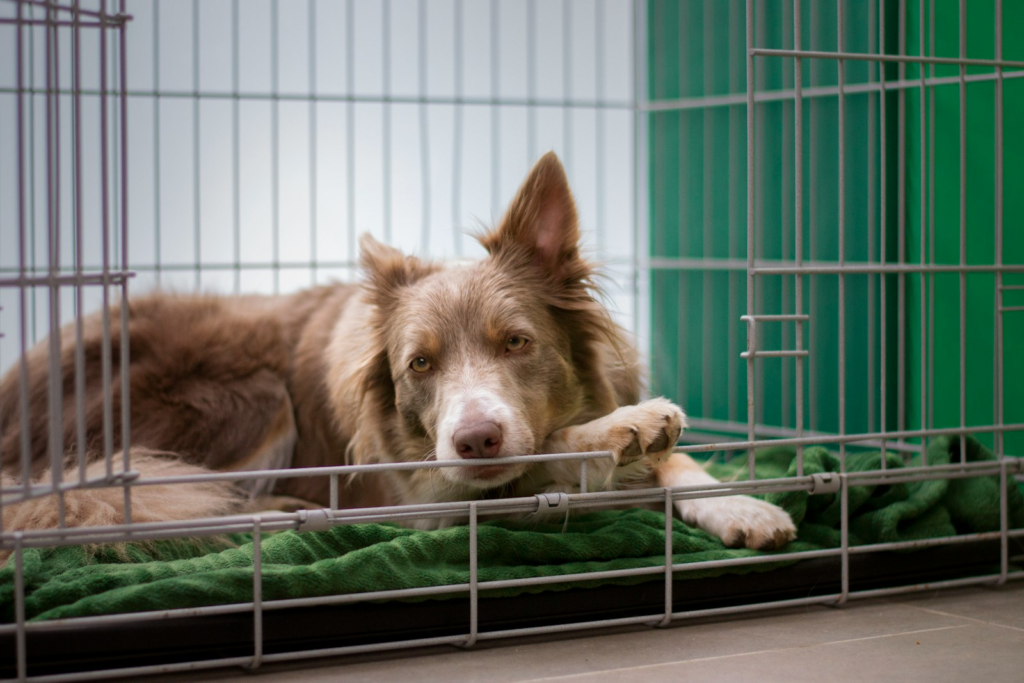
 crate training puppy cesar millan: 7 Essential Tips That Will Transform Your Training
If you’re looking for effective methods to train your new furry friend, you’ve come to the right place. Crate training puppy Cesar Millan techniques are among the most popular and effective ways to ensure your puppy feels safe and secure while also learning essential behaviors. This guide will walk you through the best practices recommended by the renowned dog trainer, Cesar Millan, to help you successfully crate train your puppy.
The Benefits of Crate Training Your Puppy
Crate training can provide multiple benefits for both you and your puppy. Here are some key advantages:
- Safety: A crate keeps your puppy safe when you cannot supervise them.
- House Training: Puppies instinctively avoid soiling their sleeping area, making crates an effective tool for house training.
- Travel Ease: A crate can make traveling with your dog much easier and safer.
- Comfort Zone: A crate can become a personal space for your puppy, helping them feel secure.
Understanding Cesar Millan’s Philosophy
Cesar Millan emphasizes the importance of a calm and assertive energy when training dogs. His approach to crate training puppy cesar millan focuses on creating a positive association with the crate. Here are some core principles to keep in mind:
- Establish yourself as the pack leader.
- Use positive reinforcement to encourage good behavior.
- Be patient and consistent throughout the training process.
Choosing the Right Crate
When it comes to crate training puppy cesar millan, selecting the right crate is crucial. Here are some tips to help you choose:
- Size: Ensure the crate is large enough for your puppy to stand, turn around, and lie down comfortably.
- Material: Choose a sturdy crate made from durable materials that can withstand chewing.
- Ventilation: Ensure the crate has good airflow to keep your puppy comfortable.
Introducing Your Puppy to the Crate
Once you have the right crate, it’s time to introduce your puppy to it. Follow these steps to make the introduction smooth:
- Place the crate in a common area of your home.
- Encourage your puppy to explore the crate by placing treats and toys inside.
- Allow your puppy to enter and exit the crate freely without forcing them in.
- Gradually increase the time your puppy spends in the crate with the door closed.
Establishing a Routine
Creating a consistent routine is vital for successful crate training puppy cesar millan. Here’s how to establish a daily routine:
- Feeding Schedule: Feed your puppy at the same times each day to regulate their bathroom needs.
- Potty Breaks: Take your puppy out for potty breaks immediately after meals and naps.
- Crate Time: Incorporate crate time into your puppy’s daily schedule to help them adjust.
Positive Reinforcement Techniques
Using positive reinforcement is a key aspect of crate training puppy cesar millan. Here are some effective techniques:
- Reward your puppy with treats when they enter the crate willingly.
- Use praise and affection to reinforce good behavior.
- Gradually increase the time your puppy spends in the crate before rewarding them.
Dealing with Separation Anxiety
Some puppies may experience separation anxiety when crate training. Here are strategies to help alleviate this issue:
- Start with short periods in the crate and gradually increase the duration.
- Leave a piece of your clothing in the crate to provide comfort.
- Practice leaving the room for short periods while your puppy is in the crate.
Common Mistakes to Avoid
To ensure successful crate training puppy cesar millan, avoid these common pitfalls:
- Using the Crate as Punishment: Never use the crate as a form of punishment. This will create negative associations.
- Rushing the Process: Take your time and allow your puppy to adjust at their own pace.
- Leaving Your Puppy in the Crate Too Long: Puppies need regular exercise and socialization; don’t confine them for extended periods.
Maintaining Consistency and Patience
Consistency and patience are key in crate training puppy cesar millan. Here are tips to help you stay on track:
- Stick to the established routine and be consistent with commands.
- Remain calm and patient, even during setbacks.
- Keep training sessions short and engaging to maintain your puppy’s interest.
Monitoring Progress
As you implement the crate training puppy cesar millan methods, it’s important to monitor your puppy’s progress. Here are some indicators of success:
- Your puppy enters the crate willingly.
- Your puppy remains calm while in the crate.
- Your puppy shows signs of being house trained.
Seeking Professional Help
If you find that crate training is not going as planned, consider seeking professional help. A certified dog trainer can provide personalized guidance and support. For more information on professional dog training resources, visit the Association of Professional Dog Trainers.
Crate training puppy cesar millan methods can be a transformative experience for both you and your puppy. By following these essential tips and maintaining a positive approach, you can create a safe and loving environment for your furry companion.
For additional insights on dog training techniques, check out the American Kennel Club’s training tips.
crate training puppy cesar millan: The Ultimate Guide to Benefits
When it comes to crate training puppy cesar millan techniques, understanding the benefits can significantly enhance your dog’s training experience. This method, championed by renowned dog trainer Cesar Millan, offers a structured approach that not only helps with house training but also contributes to a puppy’s overall well-being. Here, we delve into the essential advantages of crate training.
Why Choose Crate Training?
Crate training is often misunderstood, but it serves multiple purposes that can greatly benefit both the owner and the puppy. Here are some key reasons to consider this method:
- Safety: A crate provides a safe space for your puppy, preventing them from getting into trouble when unsupervised.
- House Training: Puppies instinctively avoid soiling their sleeping area, making crates an effective tool for house training.
- Traveling Ease: Familiarizing your puppy with a crate can make traveling less stressful for both you and your pet.
- Behavior Management: Crate training can help curb undesirable behaviors by limiting a puppy’s access to distractions.
crate training puppy cesar millan Techniques
Implementing crate training puppy cesar millan techniques involves a few straightforward steps:
- Choose the Right Crate: Select a crate that is appropriately sized for your puppy. They should be able to stand, turn around, and lie down comfortably.
- Introduce the Crate Gradually: Allow your puppy to explore the crate without pressure. Use treats and toys to make it inviting.
- Establish a Routine: Incorporate crate time into your puppy’s daily schedule, including feeding and bathroom breaks.
- Positive Reinforcement: Reward your puppy with treats and praise when they enter the crate voluntarily.
- Short Periods at First: Start with short periods in the crate, gradually increasing the duration as your puppy becomes more comfortable.
Additional Benefits of crate training puppy cesar millan
Beyond the fundamental advantages, crate training offers several additional benefits that contribute to a puppy’s development:
- Reduces Anxiety: A crate can serve as a safe haven for puppies, reducing anxiety during stressful situations such as thunderstorms or fireworks.
- Encourages Independence: Crate training teaches puppies to be comfortable alone, fostering independence and reducing separation anxiety.
- Facilitates Better Socialization: Using a crate can help manage interactions with other pets and people, ensuring your puppy learns appropriate behavior.
Expert Tips for Successful Crate Training
To maximize the effectiveness of crate training puppy cesar millan, consider these expert tips:
- Avoid Using the Crate as Punishment: This can create negative associations, making your puppy fearful of the crate.
- Keep Crate Time Positive: Always associate the crate with positive experiences, such as treats or playtime.
- Monitor Your Puppy: Pay attention to your puppy’s behavior in the crate. If they seem distressed, reassess your approach.
- Be Patient: Crate training takes time, and every puppy learns at their own pace.
For further insights on crate training, you can check out resources from the American Kennel Club (AKC) and the Humane Society (Humane Society).
crate training puppy cesar millan: 5 Essential Techniques for Success
When it comes to crate training puppy cesar millan techniques, Cesar Millan’s approach is both practical and effective. His methods focus on understanding canine behavior and establishing a strong, positive relationship with your puppy. Here are five essential techniques that can help you successfully crate train your puppy.
1. Establish a Routine
Consistency is key in crate training puppy cesar millan methods. Establishing a daily routine helps your puppy understand when to expect meals, playtime, and bathroom breaks. Here’s how to create an effective routine:
- Feed your puppy at the same time each day.
- Take your puppy out for bathroom breaks immediately after meals.
- Designate specific times for crate training sessions.
2. Use Positive Reinforcement
Cesar Millan emphasizes the importance of positive reinforcement in crate training puppy cesar millan techniques. Reward your puppy with treats, praise, or playtime when they enter the crate willingly. This encourages them to view the crate as a safe and enjoyable space.
Steps for Positive Reinforcement:
- Encourage your puppy to enter the crate using treats.
- Once inside, immediately reward them with praise.
- Gradually increase the time they spend in the crate before rewarding them.
3. Create a Comfortable Environment
Making the crate a comfortable space is crucial in crate training puppy cesar millan. Here are some tips to enhance your puppy’s crate experience:
- Add a soft blanket or bed for comfort.
- Include a few safe toys to keep them entertained.
- Ensure the crate is in a quiet, familiar area of your home.
4. Gradual Crate Introduction
Introducing your puppy to the crate gradually is an essential part of crate training puppy cesar millan. Start by allowing them to explore the crate with the door open. This helps reduce anxiety and builds their confidence. Follow these steps:
- Let your puppy sniff the crate without pressure.
- Use treats to coax them inside.
- Close the door for short periods, gradually increasing the duration.
5. Avoid Using the Crate as Punishment
One of the key principles in crate training puppy cesar millan is to never use the crate as a form of punishment. Doing so can create negative associations and increase anxiety. Instead, focus on making the crate a positive experience. Here’s how:
- Only place your puppy in the crate when they are calm and relaxed.
- Use the crate for short periods as a safe space, not as a timeout.
- Always reward them for entering the crate without fuss.
For more on Cesar Millan’s training techniques, you can visit Cesar’s Way, a comprehensive resource for dog training and behavior tips. By following these essential techniques, you can create a positive and effective crate training experience for your puppy.
Implementing these crate training puppy cesar millan techniques can lead to a more harmonious relationship between you and your furry friend. Remember, patience and consistency are your best allies in this journey.
crate training puppy cesar millan: 5 Essential Mistakes to Avoid
When it comes to crate training your puppy, following the principles of crate training puppy cesar millan can lead to a successful and positive experience. However, many pet owners inadvertently make mistakes that can hinder the process. Understanding these common pitfalls is crucial for effective training.
1. Using the Crate as Punishment
One of the top mistakes in crate training puppy cesar millan techniques is using the crate as a form of punishment. This can create a negative association with the crate, making your puppy fearful and resistant to entering it. Instead, view the crate as a safe haven where your puppy can relax and feel secure.
- Ensure the crate is a pleasant space with toys and bedding.
- Introduce the crate gradually, allowing your puppy to explore it on their own terms.
2. Crating for Too Long
Another common mistake is leaving your puppy in the crate for extended periods. Puppies have limited bladder control and need regular breaks. Following the crate training puppy cesar millan guidelines, adhere to the following crating times based on age:
- 2 months: 1 hour
- 3 months: 2 hours
- 4 months: 3 hours
- 5-6 months: 4-5 hours
Remember, a tired puppy is a happy puppy. Ensure they get enough exercise before crating.
3. Neglecting Positive Reinforcement
Positive reinforcement is crucial in crate training puppy cesar millan. Failing to reward your puppy for entering the crate can lead to resistance. Use treats, praise, and affection to encourage your puppy when they enter the crate willingly.
- Start by tossing a treat into the crate.
- Gradually increase the time they spend inside before rewarding them.
4. Skipping the Gradual Introduction
Rushing the introduction of the crate is a frequent error. It’s important to allow your puppy to acclimate to the crate over several days. Follow these steps for a smooth introduction:
- Leave the crate door open and encourage exploration.
- Feed meals inside the crate to create positive associations.
- Gradually close the door for short periods while they are inside.
5. Ignoring the Size of the Crate
Choosing the wrong size crate is a mistake that can impact the training process. A crate that is too large allows your puppy to eliminate in one corner and sleep in another, which can confuse them about the purpose of the crate. The ideal crate should be snug enough that your puppy can stand up, turn around, and lie down comfortably.
For more information on proper crate sizes and training techniques, refer to the American Kennel Club.
By avoiding these common mistakes when implementing crate training puppy cesar millan techniques, you can create a positive and effective training environment for your furry friend. Remember that patience and consistency are key to successful crate training.